Maintaining a sober life beyond addiction treatment is a constant yet rewarding endeavor. While completing detox or rehab marks a significant victory, sustaining long-term recovery requires developing effective coping mechanisms and life skills. These tools empower individuals to handle daily challenges, regulate emotions, and avoid relapse, forming the foundation of a healthier, more fulfilling life.
Whether you’re just beginning your recovery journey or seeking ways to reinforce your sobriety, mastering these essential coping and life skills can make all the difference.
Why Coping and Life Skills Are Vital in Recovery
Overcoming substance use is not just about abstaining from substances; it demands personal growth and practical knowledge. Many people struggling with addiction find themselves ill-equipped to face stressors, manage emotions, or handle day-to-day responsibilities effectively. Substance use may have interrupted the development of these skills, leaving individuals vulnerable to old habits.
By building life skills and adopting healthy coping techniques, individuals can better process feelings, manage stress, and create routines that align with sobriety. These habits do more than promote abstinence; they empower people to thrive on their recovery journey.
Key Benefits of Life Skills in Recovery
- Improved Emotional Resilience: Coping methods help regulate emotions without relying on unhealthy outlets.
- Reduced Stress: Managing stressors without substances bolsters confidence and emotional health.
- Restored Relationships: Healthy interaction skills foster trust and connection with others.
- Self-Sufficiency: Practical skills like budgeting and time management encourage independence.
Without these tools, the daily pressures of life can feel overwhelming, making relapse more likely. That’s why structured support programs often include life skills training as a core component.
Essential Coping Skills for Addiction Recovery
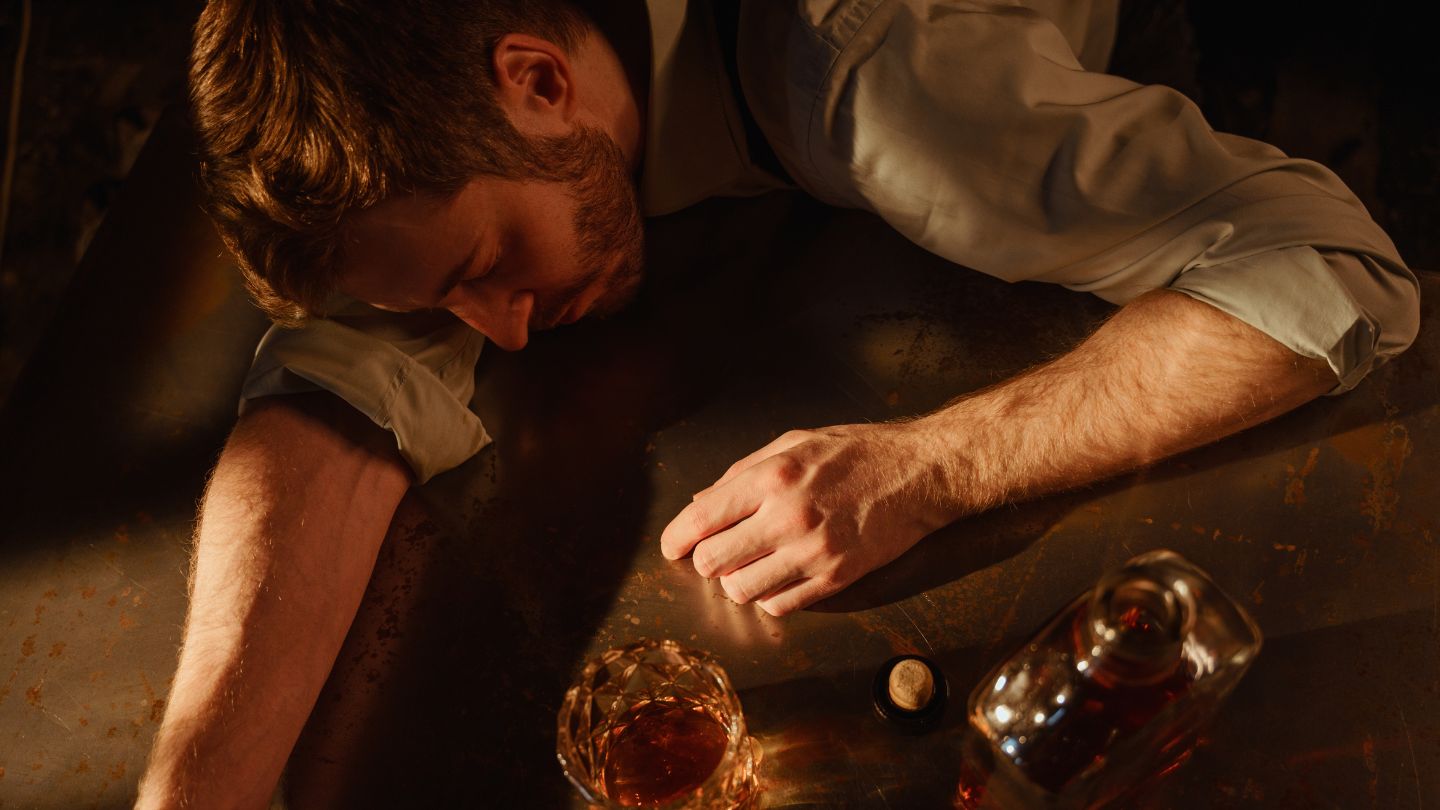
Coping strategies are the heart of emotional well-being during recovery. They allow individuals to face difficulties head-on while staying anchored to their sobriety goals. Here are some techniques to consider:
1. Mindfulness and Meditation
Mindfulness encourages individuals to stay present, observe thoughts non-judgmentally, and manage cravings. Meditation, on the other hand, reduces anxiety and fosters emotional balance, helping you respond to triggers calmly.
2. Stress Management Techniques
Stress is a common trigger for relapse. Healthy coping skills such as deep breathing exercises, progressive muscle relaxation, journaling, and engaging in hobbies help to diffuse tension without jeopardizing sobriety.
3. Cognitive Behavioral Strategies
Cognitive Behavioral Therapy (CBT) equips individuals with tools to challenge negative thoughts and replace them with constructive beliefs. Practicing this independently reinforces emotional health in moments of doubt or low self-esteem.
4. Building a Support Network
Nobody can tackle recovery alone. Surrounding yourself with positive, sober people provides accountability and comfort during tough times. Participating in a support group like AA or NA can keep you motivated on your recovery journey.
5. Effective Communication
Clear and respectful communication reduces misunderstandings and improves relationships, be they personal or professional. Learning conflict resolution strategies is crucial to maintaining harmony in social interactions.
6. Emotional Awareness
To prevent bottled-up feelings from derailing your progress, develop the skill of identifying and processing your emotions. Whether it’s anger, sadness, or frustration, understanding your feelings helps you address challenges constructively.
Practical Life Skills for Long-Term Sobriety

Beyond emotional coping, practical life skills ensure stability and independence, reducing the likelihood of relapse. These skills are often taught in transitional living facilities and rehab programs for sustained sobriety success.
1. Financial Management
Addiction often causes financial strain. Learning to budget, save, and responsibly plan expenses ensures financial health, reducing stress related to money issues.
2. Employment Readiness
Maintaining steady employment creates structure, purpose, and self-confidence. Consider gaining skills such as resume writing, interview preparation, and workplace etiquette to ensure your career supports your recovery goals.
3. Physical Health and Nutrition
A balanced diet and exercise program improve mental and physical well-being, supporting your body as you recover from years of substance use. Regular health check-ups and adequate hydration also play a key role in maintaining vitality.
4. Time Management
Effective planning minimizes stress and boredom, which are common relapse triggers. Creating a daily schedule, setting achievable goals, and prioritizing tasks give your life more focus and direction.
5. Household Management
Keeping your living space clean, safe, and organized promotes a sense of stability. Managing responsibilities like cleaning or cooking reinforces independence and self-worth.
6. Conflict Resolution
Disputes are inevitable in any relationship. Developing techniques to handle disagreements calmly protects you from emotionally charged decisions that may threaten your sobriety.
Support Systems That Reinforce Life Skills
Recovery isn’t a solo venture. Whether through rehab, sober living homes, or community-based organizations, seeking structured support makes navigating recovery easier. Facilities like halfway houses offer a supervised environment where individuals can practice life skills while receiving both staff and peer support.
For example:
- Building Routines: Structure creates predictability and minimizes chaos in daily activities.
- Vocational Training: Learn marketable skills to help rebuild your professional life.
- Counseling Services: Continual therapeutic support fosters emotional clarity and growth.
Halfway houses serve as a crucial bridge for individuals transitioning from addiction to recovery. These supportive environments provide structure, accountability, and essential resources like counseling, life skills training, and peer support. By fostering a sense of community and offering tools for independent living, halfway houses that transition from addiction to recovery help individuals build a stable foundation for long-term sobriety and reintegration into society.
Habits That Strengthen Sobriety for Life
Sustaining sobriety requires consistency in practicing the skills learned during recovery. Here are several lifelong habits to cultivate:
- Regular Exercise: Physical activity boosts mood and mental resilience.
- Participation in Support Groups: Sharing experiences and challenges with like-minded people keeps you grounded.
- Ongoing Therapy: Long-term counseling provides continuous emotional guidance.
- Goal Setting: Focus on personal growth through education, hobbies, or career achievements.
By routinely applying these habits, you create a lifestyle built on stability and purpose.
Surroundings Shape Success
Your environment can significantly impact your sobriety. Living in a substance-free, supportive community encourages accountability and reduces exposure to triggers. For example, sober living homes in South Florida feature structured routines and peer networks to aid in your recovery.
These communities create a safe space where stressors are minimized, and skills can develop over time, preparing individuals for independent living.
Start Building Your Future Today
Recovery is more than stopping substance use; it’s a personal transformation. By equipping yourself with essential coping and life skills, you’re laying the foundation for a vibrant, fulfilling future. Whether you’re managing emotions, navigating feelings, or learning to handle life’s challenges, every step forward strengthens your recovery.
If you’re ready to take the next step, programs for sober living in South Florida offer a supportive environment where you can thrive. These communities combine structure, skill-building, and peer connections to help you achieve lasting success. Contact us at Men’s Halfway House today to begin your recovery journey and start building a healthier, brighter tomorrow.