Addiction recovery is an intense yet life-changing process. It’s not just about getting sober but about staying sober while rebuilding a stable, rewarding life. The transition from a structured rehab program to independent living can often seem overwhelming. That’s where halfway houses, also known as sober living homes, come into play. For many, these transitional housing spaces serve as a crucial bridge between the rigid environment of a rehabilitation center and the full independence of everyday life.
Halfway houses provide a supportive, substance-free environment where individuals recovering from addiction can regain control over their lives. With an emphasis on structure, accountability, and personal growth, these homes foster long-term sobriety while helping residents reintegrate into society. Whether referred to as sober living homes, sober houses, or recovery residences, these transitional spaces are a vital part of many people’s journey toward lasting recovery.
What is a Halfway House?
If you’ve ever wondered what a halfway house is, the definition is quite simple. A halfway house is a residence where individuals recovering from addiction or those transitioning from incarceration can live temporarily in a structured, supportive environment. It provides a safe and sober living space for individuals to continue their recovery while gradually taking on more independence.
Unlike rehab programs that often function under strict schedules with intensive therapies, halfway houses offer more freedom. Residents can work, attend school, or engage in community activities while continuing their recovery journey. The name “halfway house” refers to its purpose—providing a “halfway point” between the controlled environment of a treatment facility and the full independence of regular life.
These sober living homes are designed to help individuals develop healthy routines, build accountability, and foster self-confidence, all of which are essential for sustaining sobriety in the outside world. In this transitional housing, residents learn to navigate the challenges of daily life while focusing on long-term recovery.
What’s the Purpose of a Halfway House?

The purpose of a halfway house becomes clearer when you understand the challenges faced by individuals in early recovery. The shift from rehab or incarceration to everyday life can be jarring. Without a sober and supportive environment, individuals are at risk of relapse when exposed to old habits, triggers, or stressful situations. This is where halfway houses play an essential role—they minimize the risk of relapse by offering a structured, supportive community in a substance-free setting.
The main purposes of a halfway house include:
1. Providing a Safe and Supportive Environment
Recovery requires a safe, sober environment, free from the distractions of old habits. Living in a sober housing environment promotes accountability while removing exposure to negative influences. Individuals can focus on healing without the pressures or temptations of their previous lifestyles. By living in recovery residences, individuals are surrounded by people who share similar goals of sobriety, making it easier to stay on track.
2. Supporting the Transition to Independence
The transition from rehab or prison to independent living can be overwhelming. Halfway houses offer a gradual adjustment period, encouraging residents to take on responsibilities such as managing finances, following house rules, finding employment, and rebuilding relationships. This gradual reintegration into society allows individuals to develop the life skills necessary for lasting recovery and independent living.
3. Creating a Supportive Recovery Community
Isolation can be a significant barrier to recovery. Halfway houses foster a sense of community where residents support one another, share experiences, and hold each other accountable. This peer support is crucial in maintaining sobriety. Residents benefit from the encouragement and camaraderie of others on similar recovery journeys, making it easier to stay committed to their long-term goals.
4. Reinforcing Life Skills
Many individuals entering halfway houses may lack essential life skills like time management, job searching, or handling stress in healthy ways. These homes focus on building these skills through daily responsibilities and structured routines. Residents are given tools and resources to help them develop self-reliance, resilience, and the ability to cope with the challenges of everyday life.
Who Should Consider a Halfway House?
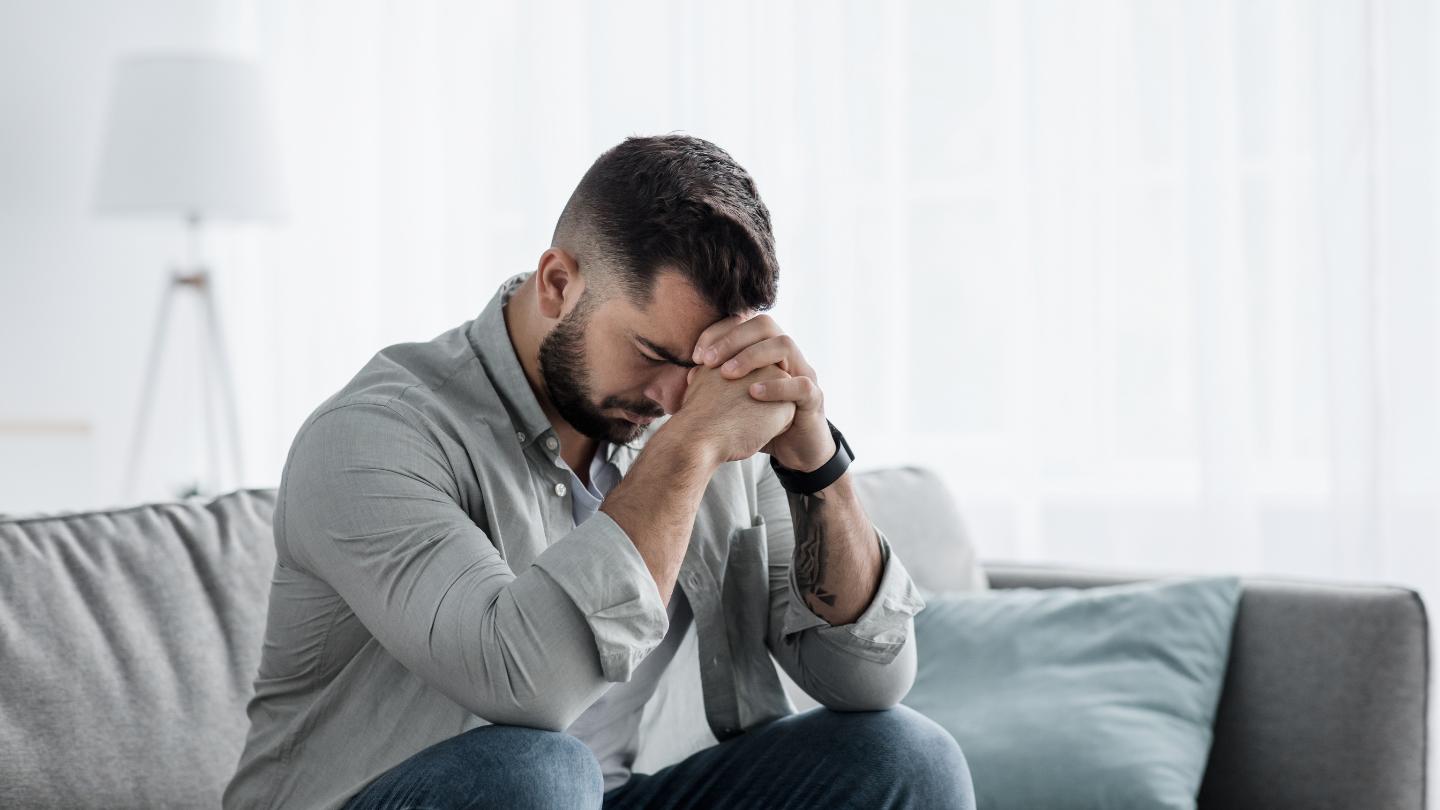
Recovery is a deeply personal process, and not everyone’s path is the same. However, halfway houses are particularly beneficial for:
- Individuals Completing Rehab: For many, transitioning from a rehab facility to complete independence may be too abrupt. A halfway house provides the structure and support needed during this critical phase of recovery.
- Those Needing Extended Support: Some individuals require ongoing support in their recovery. Halfway houses offer a stable environment, and the accountability needed to help people stay on track until they feel ready to live independently.
- Anyone Who Wants to Avoid Relapse: If someone feels unprepared to face their old environment or the people or situations that might trigger their addiction, a halfway house can act as a safe buffer, giving them time to develop coping mechanisms and life skills.
Life Inside a Halfway House
Living in a halfway house is not like living in a traditional home. These homes are structured with clear rules and expectations. The goal is to help residents stay sober while transitioning into a more independent lifestyle. Here’s what life inside a halfway house typically involves:
1. Strict No-Alcohol or Drugs Policy
The cornerstone of any sober living environment is a zero-tolerance policy for alcohol or drugs. This rule ensures that the integrity of the environment is maintained and everyone in the house is equally committed to their recovery. Anyone caught violating this rule may be removed from the house, as maintaining a sober living space is essential to everyone’s success.
2. Curfews and House Rules
Most halfway houses enforce house rules, such as curfews, mandatory attendance at house meetings, and restrictions on overnight guests. These rules help create a structured environment that reinforces discipline and focus on recovery. Residents are expected to contribute to the upkeep of the house, helping with tasks like cleaning and meal preparation.
3. Random Drug Testing
Drug testing is often conducted in sober living homes to ensure the safety and sobriety of all residents. While this may seem intrusive, random drug testing is in place to maintain the integrity of the recovery process and prevent any slip-ups that could jeopardize long-term sobriety.
4. Encouraged Independence
One of the key goals of a halfway house is to foster independence. Residents are encouraged to seek employment, pursue educational opportunities, or get involved in volunteer work. These activities not only build self-reliance but also provide valuable experience in managing day-to-day life.
5. Peer Accountability
Community and teamwork are emphasized in sober living environments. Residents share responsibilities, such as cleaning, cooking, and supporting one another. This creates a sense of unity and camaraderie, which helps reinforce the idea that recovery is a shared journey.
Benefits of a Halfway House During Recovery
Halfway houses offer more than just a place to stay. They provide a platform for individuals to rebuild their lives and stay committed to their recovery. Here’s how halfway houses benefit individuals in recovery:
1. Reduced Risk of Relapse
With access to resources, routines, and the support of peers, residents are less likely to relapse. Living in a structured environment minimizes exposure to old triggers and helps individuals focus on their recovery goals.
2. Orientation to Sober Living
Sober living homes provide a space where individuals can practice maintaining sobriety in real-life scenarios. This continuous practice helps them get comfortable with sobriety and prepares them for independent living.
3. Community Connection
Living with others who are also committed to sobriety fosters a sense of connection and belonging. This can significantly reduce feelings of isolation and improve emotional well-being.
4. Gradual Reintegration
The gradual reintegration into society provided by halfway houses allows residents to regain confidence and develop the skills necessary to live independently. This helps prevent the feeling of being overwhelmed, which can come with a sudden return to life outside rehab or prison.
Breaking the Stigma Around Halfway Houses

Despite their many benefits, halfway houses often face negative perceptions due to misunderstandings. They are sometimes viewed as punitive or as a last resort for those who have failed. However, the reality is far different. Halfway houses are recovery-focused, supportive environments designed to help individuals heal and rebuild their lives.
Educating the public about the positive role of halfway houses is key to breaking down these stigmas. Success stories from residents who have transitioned to independent living are a powerful way to change perceptions and encourage more people to seek help.
Sober Living in South Florida
The warm, serene surroundings of South Florida make it an ideal place for recovery. With a strong recovery community and abundant resources, South Florida is home to many sober living homes that are committed to providing supportive, sustainable recovery environments. Here, individuals can find the support they need to achieve long-term sobriety and growth.
Sober living offers a unique opportunity for individuals seeking to establish lasting recovery. With its vibrant recovery community, peaceful surroundings, and abundant support resources, South Florida creates an ideal environment to help individuals transition smoothly into sober living. Whether you’re newly sober or continuing your recovery journey, this region provides the perfect setting to build a strong foundation for long-term success. By choosing sober living in South Florida, you’re investing in a safe and supportive space and planting the seeds for a future of sustained sobriety and personal growth.
Embracing Recovery with Confidence
The journey to recovery is not just about overcoming addiction but about embracing a new way of life. Halfway houses provide the necessary structure, support, and community to help individuals rebuild their lives and achieve long-term sobriety. By offering a safe and supportive environment, these sober living homes play a critical role in easing the transition from rehab to independence, giving individuals the tools they need to thrive in their recovery journey. Whether it’s through life skills development, peer accountability, or community support, the benefits of living in a halfway house cannot be overstated.
If you or someone you know is considering this important step in their recovery journey, look no further than Miami halfway houses to provide a safe and supportive environment, where residents are encouraged to rebuild their lives and stay on the path.
FAQs
1. What is a halfway house?
A halfway house is a transitional living facility that helps individuals recovering from addiction or those transitioning from incarceration. It offers a sober, structured, and supportive environment where residents can rebuild their lives and reintegrate into society while maintaining sobriety.
2. Who should consider staying in a halfway house?
Halfway houses are ideal for individuals who have completed a rehabilitation program and need additional support before transitioning to full independence. They are also beneficial for those at high risk of relapse or anyone who requires a stable, sober environment to continue their recovery.
3. What are the benefits of living in a halfway house?
Living in a halfway house offers several benefits, including reduced relapse risk, a supportive recovery community, life skills development, and a gradual transition to independence. These homes provide a safe environment where individuals can practice maintaining sobriety and rebuild their lives.
4. What are the rules and expectations in a halfway house?
Common rules in a halfway house include a zero-tolerance policy for drugs and alcohol, curfews, mandatory house meetings, and random drug testing. Residents are also expected to contribute to the upkeep of the house and participate in community-building activities.
5. How long can I stay in a halfway house?
The length of stay in a halfway house varies but typically ranges from a few months to a year. The goal is to provide enough time for residents to gain the skills and confidence needed to live independently while maintaining long-term sobriety.
6. How can I find a halfway house in Miami?
To find a halfway house in Miami, you can search online or contact local recovery organizations. Cleveland House, for example, offers a supportive sober living environment and is dedicated to helping individuals in their recovery journey. Be sure to research and visit multiple halfway houses to find the right fit for your needs.
7. Are halfway houses expensive?
The cost of living in a halfway house can vary based on location, the amenities provided, and the policies of the individual home. Many halfway houses offer affordable rates, and some may accept insurance or government funding. It’s best to contact the halfway house directly to inquire about costs and payment options.