In the journey of addiction recovery or managing a mental health condition, choosing the appropriate level of care is essential. Among the most popular treatment options are the Intensive Outpatient Program (IOP) and the Partial Hospitalization Program (PHP), each providing unique structures, benefits, and levels of support. This guide delves into IOP vs. PHP, comparing these two effective forms of outpatient treatment and highlighting which might be the best fit for your needs.
What is PHP? Understanding the Partial Hospitalization Program
Overview of PHP (Partial Hospitalization Program)
PHP, or Partial Hospitalization Program, is a highly structured form of outpatient care, typically requiring a significant weekly commitment. Unlike inpatient treatment, where patients remain in a residential setting, PHP allows them to return home after daily treatment sessions. PHP programs are designed for those needing substantial support and guidance but do not require the round-the-clock monitoring found in inpatient treatment.
Structure of PHP
PHP typically involves around 20-30 hours of weekly participation, where patients engage in various therapeutic activities. These activities can include individual therapy, group therapy, family therapy, medication management, and skill-building sessions designed to provide tools for relapse prevention and coping. PHP treatment is particularly suited for those transitioning from inpatient rehab, as it offers continued structure without requiring full-time residence.
Who Benefits from PHP?
The PHP program is ideal for individuals seeking an intensive level of care but who can safely function outside an inpatient environment. For those with a stable support system, such as family or close friends, PHP offers the balance of intensive therapy and outpatient care, making it effective for those managing complex mental health conditions, substance abuse, or severe addiction requiring frequent treatment sessions.
What is IOP? Understanding the Intensive Outpatient Program
Overview of IOP (Intensive Outpatient Program)
An Intensive Outpatient Program, or IOP, offers flexibility while delivering consistent addiction and mental health treatment. Unlike PHP, IOP is less time-intensive, typically requiring between 9-12 hours of commitment per week, often split across three to five days. This outpatient program enables participants to maintain their day-to-day responsibilities, such as work or school, while still engaging in substantial recovery work.
Structure of IOP
IOP treatment includes various outpatient therapy sessions, such as individual therapy, family therapy, and group therapy, designed to address substance use and mental health treatment needs. While the commitment is less than PHP, the IOP program maintains a strong focus on relapse prevention and developing coping skills for handling triggers and stressors. Many IOP programs incorporate cognitive behavioral therapy and other intensive treatment modalities tailored to specific mental health conditions or substance use disorders.
Who Benefits from IOP?
IOP is ideal for individuals who require structured treatment but do not need the same level of monitoring as PHP patients. IOP programs work well for those with family obligations, work, or school schedules, enabling them to attend treatment sessions while meeting other responsibilities. This outpatient mental health treatment option also supports individuals stepping down from PHP or residential treatment, helping to build a strong foundation for continued recovery and independence.
Key Differences Between PHP and IOP

Time Commitment
PHP requires a more substantial weekly commitment compared to IOP. PHP typically involves 20-30 hours per week, while IOP usually requires 9-12 hours per week. This difference can influence a person’s ability to manage external responsibilities, such as work, family, or education, while undergoing treatment.
Level of Intensity and Monitoring
PHP offers a higher level of support and monitoring, making it suitable for those with more intensive needs. In contrast, IOP provides structured outpatient care with greater independence, making it suitable for individuals with a lower risk of relapse or those in need of a flexible outpatient program.
Structure and Flexibility
PHP provides more frequent therapy sessions and monitoring, which can be essential for managing complex mental health conditions or substance abuse issues. IOP, however, emphasizes flexibility, offering treatment options that fit around one’s daily life while still delivering structured mental health and addiction treatment.
Goals and Outcomes
PHP is often geared toward stabilizing individuals after inpatient care or for those needing intensive support following detox. IOP, by contrast, is designed to build self-sufficiency and integrate recovery into daily life, focusing on relapse prevention and sustainable coping skills.
Factors to Consider When Choosing Between PHP and IOP
Severity of Addiction or Mental Health Condition
Individuals with severe addiction, substance use disorder, or complex mental health conditions may benefit from the structure and intensity of PHP. In contrast, those with moderate treatment needs or those transitioning from inpatient rehab may find IOP more appropriate for balancing recovery with other life commitments.
Availability of Support System
Having a reliable support system can significantly impact the choice between PHP and IOP. Those with stable family support may opt for IOP, while those needing structured daily assistance might lean towards PHP.
Personal and Professional Responsibilities
For those managing work, family, or educational commitments, IOP offers the flexibility to pursue treatment without major disruptions. With its increased time commitment, PHP is more suited for individuals who can dedicate most of their time to recovery.
Stage of Recovery and Transition Goals
PHP is a beneficial step down from inpatient treatment, offering transitional support to help individuals achieve stability. IOP, on the other hand, is designed to promote independence, supporting individuals as they incorporate recovery practices into their daily lives.
How Men’s Halfway House Supports PHP and IOP Patients
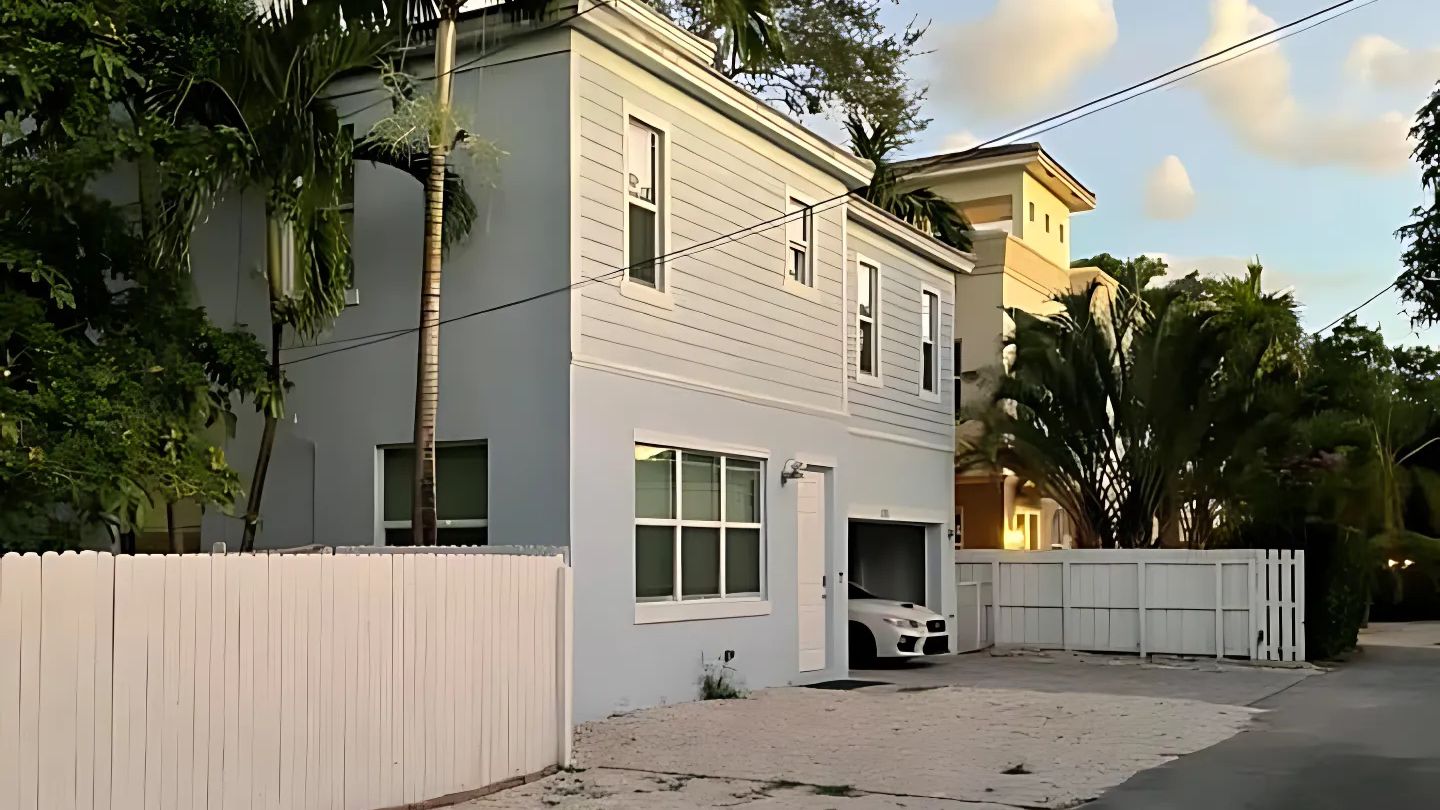
Men’s Halfway House provides both PHP and IOP treatment options tailored to each individual’s recovery needs. With a strong focus on substance use recovery, mental health support, and various outpatient programs, Men’s Halfway House strives to offer an environment conducive to lasting change and healing.
- PHP Services: Men’s Halfway House’s PHP program includes intensive treatment, therapy sessions, and medication management aimed at helping individuals stabilize and build a strong foundation in recovery.
- IOP Services: The IOP program at Men’s Halfway House offers flexibility for those managing responsibilities outside of treatment, with outpatient care that includes individual therapy, family therapy, and group therapy, along with relapse prevention and coping skill development.
Men’s Halfway House’s programs emphasize personal growth, life skills training, and therapeutic support to help individuals develop a meaningful path to recovery, regardless of where they are on their journey.
Conclusion: Choosing Between IOP and PHP for a Path to Recovery
When choosing between Partial Hospitalization Programs (PHP) and Intensive Outpatient Programs (IOP), consider your needs. PHP offers more support, while IOP provides greater flexibility for daily responsibilities. Both programs promote long-term recovery and relapse prevention through therapy and skill-building.
Men’s Halfway House provides professional guidance to help each find the most suitable program for their journey and, if needed, additional resources in sober living in West Palm Beach to ensure a comprehensive, long-lasting approach to sobriety and wellness.