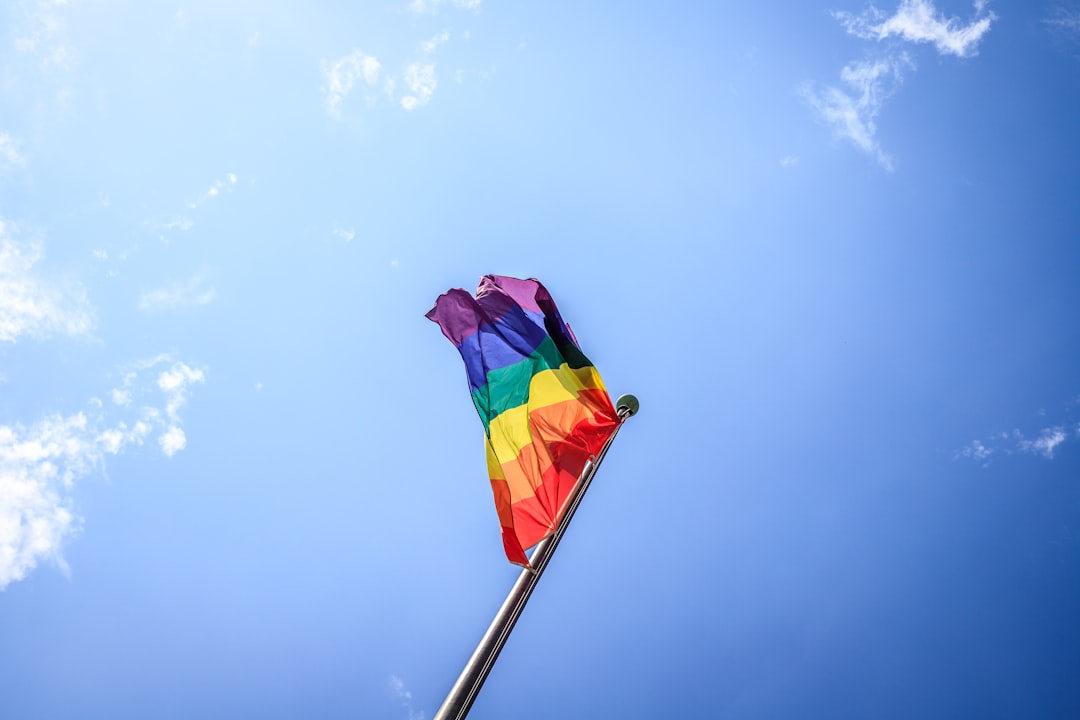
Safe spaces for LGBTQ+ individuals in recovery are crucial for their overall well-being and success in maintaining sobriety. These safe spaces provide a supportive environment where individuals can feel accepted, understood, and valued for who they are. LGBTQ+ individuals often face unique challenges and discrimination in society, which can be exacerbated in traditional recovery settings. Having a safe space specifically designed for LGBTQ+ individuals allows them to openly discuss their experiences, fears, and struggles without the fear of judgment or discrimination.
Furthermore, safe spaces for LGBTQ+ individuals in recovery provide a sense of community and belonging. Many LGBTQ+ individuals may have experienced rejection from their families or communities due to their sexual orientation or gender identity. As a result, they may feel isolated and alone in their recovery journey. Safe spaces offer a sense of belonging and connection with others who share similar experiences, creating a supportive network that is essential for long-term recovery. Without these safe spaces, LGBTQ+ individuals may struggle to find the support and understanding they need to successfully navigate the challenges of recovery.
Understanding the Unique Challenges Faced by LGBTQ+ Individuals in Recovery
LGBTQ+ individuals face unique challenges in recovery that are often overlooked in traditional treatment settings. One of the most significant challenges is the stigma and discrimination they may face from both society and within the recovery community itself. LGBTQ+ individuals may fear judgment or rejection from their peers and treatment providers, which can hinder their willingness to seek help and be open about their struggles with addiction. Additionally, many LGBTQ+ individuals have experienced trauma related to their sexual orientation or gender identity, which can contribute to their substance abuse and complicate their recovery process.
Moreover, LGBTQ+ individuals may struggle with finding culturally competent and affirming treatment options. Many traditional treatment programs may not address the specific needs of LGBTQ+ individuals or provide resources that are inclusive of their experiences. This lack of understanding and support can lead to feelings of alienation and disconnection from the recovery process. It is essential for treatment providers to recognize and address these unique challenges faced by LGBTQ+ individuals in recovery to ensure that they receive the comprehensive care and support they need to thrive.
The Role of Sober Living Homes in Supporting LGBTQ+ Individuals
Sober living homes play a crucial role in supporting LGBTQ+ individuals in their recovery journey. These residential facilities provide a safe and supportive environment for individuals who are transitioning from primary treatment to independent living. Sober living homes offer a structured and supervised setting where residents can continue to focus on their sobriety while receiving support and guidance from staff and peers. For LGBTQ+ individuals, sober living homes can serve as a sanctuary where they can feel accepted and understood without fear of discrimination or prejudice.
Additionally, sober living homes provide a sense of community and belonging for LGBTQ+ individuals in recovery. Many residents form close bonds with their peers and find support in navigating the challenges of sobriety together. This sense of camaraderie can be especially beneficial for LGBTQ+ individuals who may have experienced rejection or isolation due to their sexual orientation or gender identity. Sober living homes create an inclusive and affirming environment where residents can feel comfortable being themselves and building meaningful connections with others.
Creating Inclusive and Supportive Environments in Sober Living Homes
Creating inclusive and supportive environments in sober living homes is essential for ensuring the well-being and success of LGBTQ+ individuals in recovery. Staff members should undergo training on LGBTQ+ cultural competency and sensitivity to better understand the unique needs and experiences of this population. By fostering an inclusive environment, sober living homes can promote acceptance, respect, and understanding among residents and staff, creating a safe space where LGBTQ+ individuals feel valued and supported.
Furthermore, implementing policies and practices that are inclusive of LGBTQ+ individuals is crucial for creating a supportive environment. This may include providing gender-inclusive housing options, using inclusive language, and offering resources that specifically address the needs of LGBTQ+ residents. By actively addressing the concerns and challenges faced by LGBTQ+ individuals in recovery, sober living homes can create an environment that promotes equality, diversity, and empowerment for all residents.
Access to LGBTQ+ Affirming Resources and Support Services
Access to LGBTQ+ affirming resources and support services is vital for the well-being of LGBTQ+ individuals in recovery. Sober living homes should provide residents with access to culturally competent treatment providers, support groups, and mental health services that specifically cater to the needs of LGBTQ+ individuals. These resources can address issues such as internalized homophobia, gender dysphoria, and trauma related to sexual orientation or gender identity, providing residents with the specialized care they require.
Additionally, access to LGBTQ+ affirming resources can help residents build a strong support network within the community. By connecting residents with LGBTQ+ affirming organizations and events, sober living homes can help individuals foster meaningful connections with others who share similar experiences. This sense of community can be instrumental in promoting long-term sobriety and overall well-being for LGBTQ+ individuals in recovery.
Success Stories: How Sober Living Homes Have Helped LGBTQ+ Individuals Thrive in Recovery
Sober living homes have played a significant role in helping LGBTQ+ individuals thrive in their recovery journey. Many residents have shared success stories about how sober living homes provided them with a safe and supportive environment where they could openly address their struggles with addiction while feeling accepted and understood for who they are. These success stories highlight the importance of having a space where LGBTQ+ individuals can feel comfortable being themselves without fear of judgment or discrimination.
Moreover, many residents credit sober living homes with helping them build a strong support network within the LGBTQ+ community. By connecting with peers who share similar experiences, residents have found a sense of belonging and camaraderie that has been instrumental in their recovery process. These success stories demonstrate the positive impact that inclusive and affirming environments can have on the well-being and success of LGBTQ+ individuals in recovery.
The Future of LGBTQ+ Inclusive Sober Living Homes in South Florida
The future of LGBTQ+ inclusive sober living homes in South Florida looks promising as more facilities recognize the importance of providing specialized care for this population. With an increasing awareness of the unique challenges faced by LGBTQ+ individuals in recovery, there is a growing demand for sober living homes that offer inclusive and affirming environments. As a result, we can expect to see more facilities implementing policies and practices that cater to the specific needs of LGBTQ+ residents, including access to affirming resources and support services.
Furthermore, the future of LGBTQ+ inclusive sober living homes in South Florida will likely involve collaboration with local LGBTQ+ organizations and advocacy groups to ensure that residents have access to comprehensive care and support. By working together, sober living homes can create a network of resources that address the diverse needs of LGBTQ+ individuals in recovery, ultimately promoting long-term sobriety and well-being. As awareness continues to grow, we can anticipate a future where LGBTQ+ individuals in South Florida have access to safe spaces that prioritize their unique experiences and provide the support they need to thrive in recovery.