Achieving lasting recovery from addiction is an intricate process, and while completing a primary treatment program is a significant milestone, it’s not the end of the road. Sustainable sobriety involves continued care and structured support, especially as individuals transition back into everyday life. This is where halfway homes and their aftercare programs play a vital role.
Aftercare from a halfway home bridges the gap between intensive treatment and independent living. It offers a stable and supportive environment to help residents establish healthy habits, build confidence, and reconnect with life outside of addiction. The importance of this stage cannot be overstated, as it lays the foundation for long-term recovery and reintegration into society.
Understanding the Role of Halfway Homes in Recovery
Halfway homes, also referred to as recovery housing or sober living homes, serve as transitional spaces for individuals who have completed treatment for substance abuse but are not yet ready for complete independence. These living homes provide a structured and sober environment, free from the triggers and stressors that could lead to relapse. They act as a stepping stone for individuals as they rebuild their lives.
Residents in halfway homes benefit from continued access to recovery services such as therapy sessions, house meetings, and peer support. These homes are designed to reinforce the lessons learned during inpatient or outpatient treatment, while also helping individuals transition to managing responsibilities like employment, education, and self-care.
The structured environment of a halfway house is equally crucial for building a sense of accountability. House rules and guidelines help residents maintain their focus on sobriety, while peer support fosters a community of individuals working toward a common goal. This combination of structure and camaraderie creates the perfect setting for sustainable recovery.
Why Aftercare Is Essential for Long-Term Sobriety
Aftercare is a critical component of any treatment program, particularly for those transitioning from residential treatment to independent living. Even after completing an intensive outpatient program or residential treatment, individuals often face challenges during early recovery. These challenges, if not addressed with proper support, could become obstacles to lasting sobriety.
One of the primary benefits of aftercare is the ongoing support it provides. Recovery is not a linear process; it comes with ups and downs. Aftercare programs address these fluctuations by providing access to resources like recovery meetings, individual therapy, and continued counseling. This level of support helps individuals stay on track and overcome setbacks.
Additionally, aftercare from a halfway home focuses on relapse prevention. The period following initial treatment is when individuals are most vulnerable to triggers and temptations. By remaining in a sober living environment surrounded by like-minded residents, individuals can practice the coping mechanisms they’ve learned in treatment while staying clear of high-risk situations. House managers and peers in the home often serve as additional layers of accountability, ensuring that no one faces these challenges alone.
Building a Stable Foundation Through Aftercare Programs
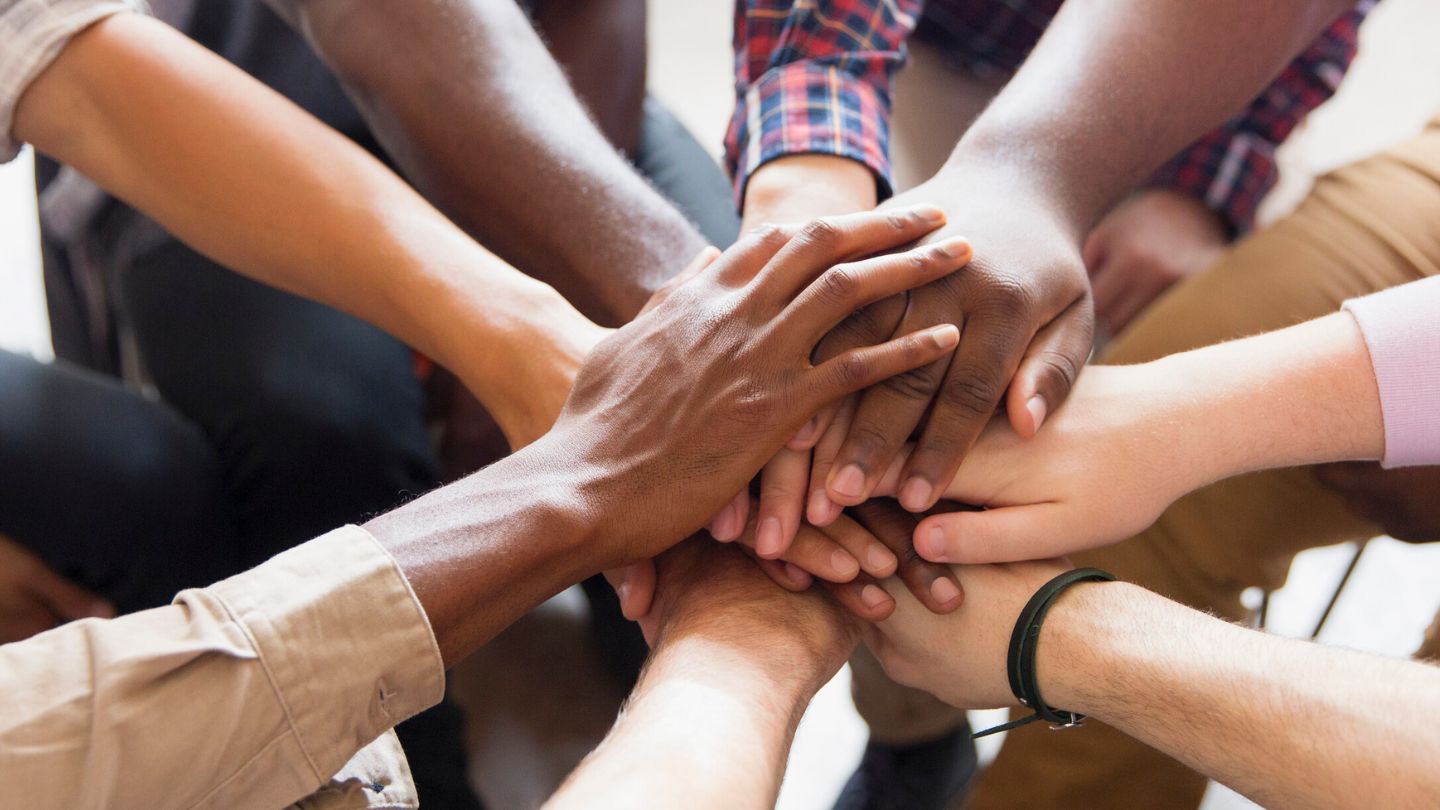
The primary goal of aftercare services from halfway homes is to build a stable foundation that supports independent living. Achieving long-term recovery requires more than just abstinence from substances; it involves creating a fulfilling, balanced life that minimizes the risk of relapse. Aftercare programs often incorporate various components to help individuals achieve this balance. These include:
Peer Support
Living alongside others who are on a similar path creates an empathetic environment where trust, encouragement, and accountability thrive. Residents share experiences, offering advice and motivation to one another as they collectively work toward lasting sobriety.
House Rules and Structure
At halfway homes, residents adhere to house rules designed to maintain a secure and orderly environment. Guidelines around curfews, chores, and substance-free living help establish routines and instill discipline.
Therapy and Counseling
Many halfway homes provide access to individual and group therapy sessions as part of their aftercare programs. These sessions address mental health challenges, past trauma, and other root causes of addiction. Cognitive behavioral therapy helps residents reframe negative thought patterns that may lead to relapse.
Education and Vocational Training
Building a productive future is a fundamental aspect of recovery. Aftercare programs often assist residents with job placement, skill development, and educational opportunities to prepare them for reintegration into the workforce.
Life Skills Training
Recovery housing programs also focus on teaching practical life skills. These include financial management, time management, cooking, and other essential skills needed for independence.
Facilitating the Transition to Independent Living
One of the most critical phases of recovery is the transition back to everyday life. Independent living can be daunting for individuals who are in early recovery, as they may face challenges like finding housing, reconnecting with loved ones, and establishing a sense of stability. Aftercare from a halfway home helps smooth out this transition.
Through structured support and guidance, halfway house residents can build the confidence needed to make this shift successfully. The emphasis on accountability through house meetings and peer feedback ensures that everyone remains focused on their goals. Additionally, sober living environments encourage gradual reintegration by allowing residents to take on responsibilities at their own pace, fostering lasting sobriety without unnecessary pressure.
Participation in aftercare programs also allows individuals to maintain their connection to mental health services, administration, and therapeutic resources. Access to ongoing therapy, including group and individual sessions, ensures that mental health challenges are consistently addressed, reducing the risk of relapse.
The Role of Routine and Community in Lasting Sobriety
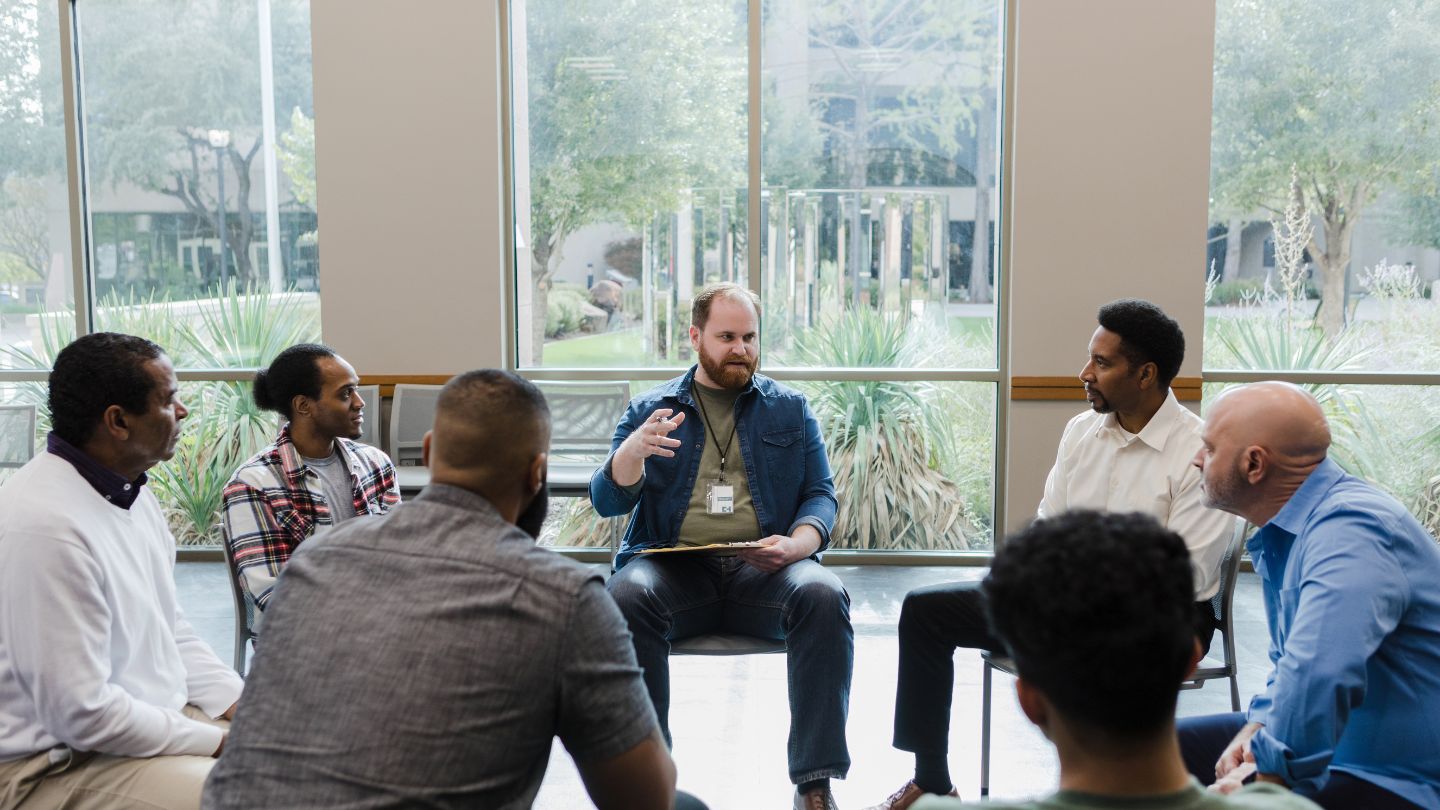
Routine and community are two cornerstones of recovery. The importance of a consistent daily routine cannot be overstated, as it provides structure and stability that help minimize feelings of uncertainty or stress. Many halfway homes incorporate routine-based activities like scheduled meals, job searches, and therapy sessions to reinforce this vital part of recovery.
Equally important is the sense of community fostered during aftercare. Recovery housing emphasizes peer support, creating a network of individuals who share similar experiences and challenges. This network becomes a source of strength and encouragement as residents work through their recovery journeys together. Providing a structured and supportive environment, halfway houses transitioning from addiction to recovery play a crucial role in guiding individuals toward a stable and sober future.
House rules often include mandatory participation in house meetings or recovery activities, ensuring that residents remain engaged with the community. Regular attendance at recovery meetings also strengthens one’s sense of belonging and accountability, both of which are critical for maintaining sobriety.
Bridging the Gap with Professional Aftercare Services
Professional aftercare services bridge the gap between the structured environment of inpatient treatment and the independence of regular life. These programs provide the tools and resources necessary to sustain long-term recovery, addressing both the emotional and practical challenges faced by individuals in transition.
For many individuals, professional aftercare programs are the difference between success and relapse. These programs are tailored to the unique needs of each resident, providing personalized care that addresses underlying issues like trauma or co-occurring mental health conditions. By combining therapy, peer support, and accountability, professional aftercare sets the stage for a successful reintegration into society.
Recovery Begins with the Right Support
For those on the road to recovery, the importance of aftercare from a halfway home cannot be underestimated. It equips individuals with the tools, resources, and support needed to build a fulfilling and substance-free life. From structured routines and counseling to peer support and life skills training, aftercare programs are integral to the recovery process.
If you or your loved one is seeking structured aftercare to aid the recovery process, Men’s Halfway House offers a welcoming, supportive environment for this essential phase. Explore the benefits of our dedicated aftercare services and learn how our halfway house in Pompano Beach, FL, can help you transition toward lasting sobriety. A successful recovery is just one step away. Contact us today to take the first step toward lasting recovery!