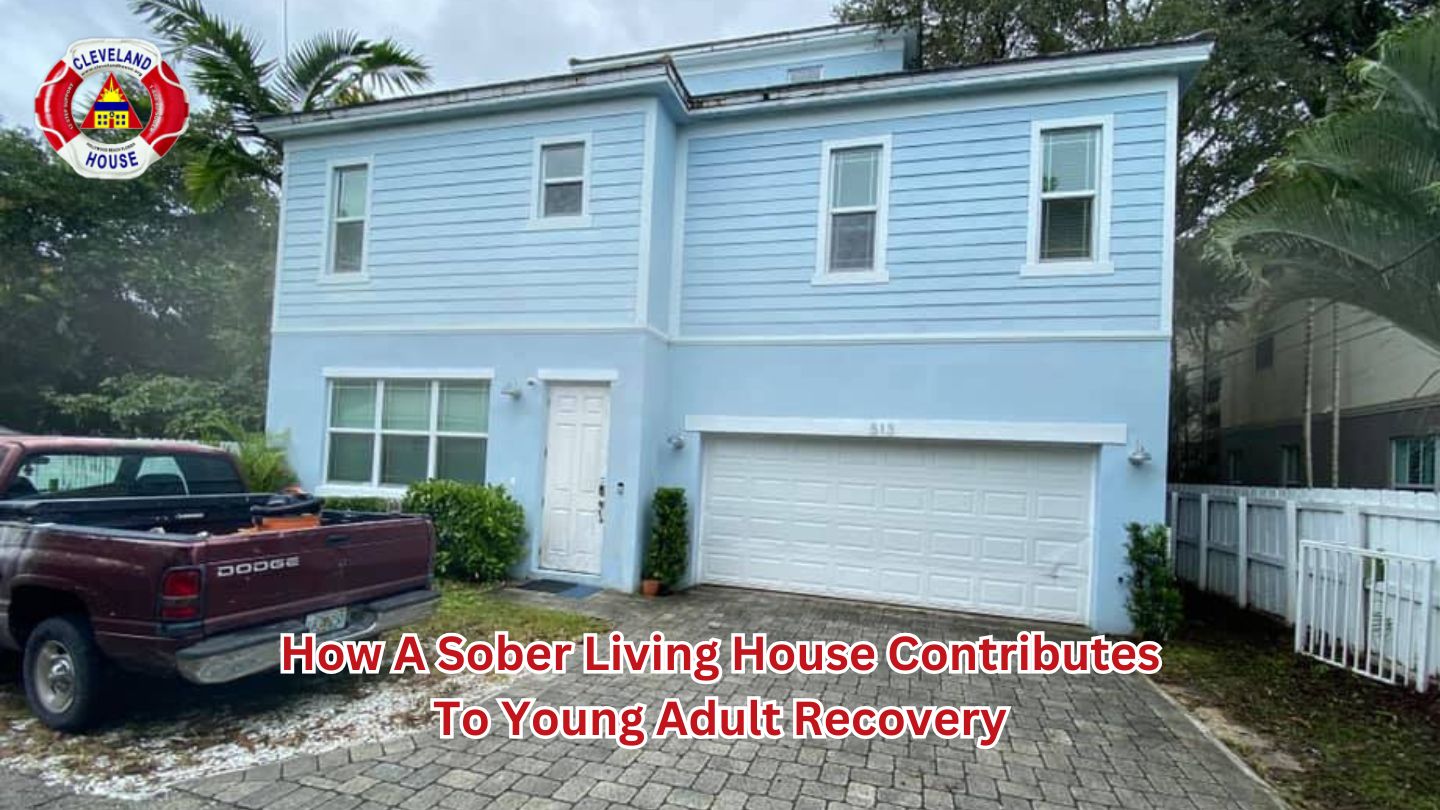
Recovery from addiction is a deeply personal and challenging journey. For young adults, the road to sobriety often involves a complex mix of self-discovery, healing, and learning to build a fulfilling life free from substances. A sober living house is a unique environment where individuals can take early, structured steps toward this transformation. These homes act as bridges, connecting those in recovery to a healthier, substance-free lifestyle while providing them with a community that nurtures growth and healing.
Sober living houses, at their core, offer stability, support, and a sense of belonging. For young adults navigating the unpredictability of recovery, these elements are critical to fostering long-term change and preventing relapse. Below, we’ll explore how a sober living house can profoundly impact a young adult’s recovery by focusing on community, routine, accountability, and personal growth.
Building a Sense of Community
One of the greatest challenges young adults face during recovery is isolation. Addiction often alienates individuals from their support systems, leaving them feeling disconnected and misunderstood. A sober living house provides a safe social environment where individuals can forge meaningful connections with their peers who are also on the path to recovery.
The shared experience of recovery creates a bond that promotes empathy and understanding. Residents support each other during tough times, celebrate milestones together, and build friendships grounded in mutual respect and a shared commitment to sobriety. This sense of community is essential for young adults, as it counters feelings of loneliness while reinforcing the importance of sober living.
The friendships and connections made in these homes serve as a reminder that recovery doesn’t have to be a solitary process. Whether it’s attending group meetings or enjoying sober recreational activities, the camaraderie fostered within a sober living house cultivates a strong sense of belonging that inspires young adults to stay committed to their recovery goals.
Structured Routine and Responsibility
For many young adults, substance use disrupts the natural rhythm of daily life. Routines are replaced by chaos, and the responsibilities of school, work, or relationships often fall by the wayside. A sober living house helps residents regain a sense of normalcy by encouraging consistent routines and personal accountability.
Residents typically follow structured daily schedules that include 12-step meetings, therapy sessions, or skill-building workshops. Balanced within these structured elements is free time, allowing individuals to engage in hobbies, personal interests, or quiet reflection. This balance teaches young adults how to manage their time responsibly while exploring healthy outlets for stress and creativity.
Additionally, living in a sober house often comes with household responsibilities. Residents share duties such as cleaning, cooking meals, or maintaining communal spaces. These tasks not only promote teamwork but also help individuals rebuild essential life skills that may have been neglected during active addiction. Through daily routines and responsibilities, young adults learn how to live a stable and fulfilling life without relying on substances.
Fostering Accountability in Recovery
Accountability is a key principle of any recovery program, and sober living houses emphasize this through clear expectations and open communication. Young adults in recovery benefit greatly from an environment where they are held accountable for their choices and behavior, especially during the vulnerable early phases of sobriety.
House rules vary but typically include commitments to sobriety, attending group meetings, and contributing to household tasks. Residents are often required to take regular drug and alcohol tests, ensuring that the home remains a safe and substance-free space for everyone. While these rules might seem strict at first, they provide clear guidelines that support consistency and commitment to recovery.
More importantly, accountability in a sober living house goes beyond the rules. It is nurtured through group dynamics and peer support. Residents are encouraged to share their struggles and successes openly, allowing others to offer encouragement or gentle reminders of their shared goals. These interactions help young adults develop self-awareness and responsibility, both of which are critical for sustaining long-term sobriety.
Read more: The Four Cs of Addiction: Breaking Down the Core of Substance Dependence
A Safe Space for Self-Discovery

Recovery is as much about breaking free from substance use as it is about rediscovering oneself. For young adults, this period is an important time to explore their identities, build confidence, and develop healthy habits and coping mechanisms. Sober living houses create a nurturing environment where residents can focus on their personal growth without the distractions or triggers of their previous environments.
Many sober living homes offer access to individual therapy, group counseling, and workshops that help residents work through past traumas and develop effective coping strategies. Young adults often discover new passions as they engage in various activities such as art, sports, or volunteering. These hobbies not only boost self-esteem but also provide constructive alternatives for stress relief and joy.
Living in a substance-free home gives individuals the opportunity to acknowledge and process emotions they may have previously numbed with drugs or alcohol. With the guidance of counselors and the support of peers, young adults can cultivate emotional resilience, learn how to set boundaries and take meaningful steps toward becoming the best versions of themselves.
The Role of Education and Employment
Many young adults entering recovery are at a crossroads when it comes to their education or career paths. Addiction can derail progress toward life goals, leaving individuals feeling lost or uncertain about the future. Sober living houses support young adults in reestablishing routines that include work or school, gradually helping them regain a sense of purpose and independence.
Some homes provide resources such as career counseling, resume-building workshops, and job placement assistance to help residents get back on their feet. Others may collaborate with local educational institutions, ensuring that residents can resume or complete their studies. These opportunities empower young adults to set and achieve goals while reinforcing the value of hard work and determination.
By placing an emphasis on personal and professional development, sober living houses help residents build a strong foundation for a stable and rewarding future. Over time, these achievements bolster self-confidence and motivate individuals to continue striving for success in both their personal and professional lives.
Read more: Sober Living Homes: Unlocking Potential Through Education and Vocation in South Florida
Understanding “How Do Sober Living Homes Work?”

If you’re wondering, “How Do Sober Living Homes Work?” understanding their structure is key to appreciating their role in recovery. These homes provide a stable, substance-free environment that bridges the gap between rehab and independent living. With a focus on peer support, accountability, and personal development, they offer residents the tools they need to succeed in sobriety.
For young adults, this structure can be life-changing. By removing external triggers and fostering a nurturing space, sober living houses help individuals focus on their recovery while gradually reintegrating into society.
Preventing Relapse Through Extended Support
Despite the progress made during treatment or detox, young adults in early recovery remain vulnerable to relapse. Sober living houses offer an essential layer of support during this transition, serving as a buffer between intensive rehabilitation and the complexities of life outside. Residents benefit not only from the guidance of sober house staff but also from the camaraderie of their peers.
This extended support system helps individuals identify stressors and triggers while providing practical tools for managing them. Whether it’s through relapse prevention workshops, one-on-one counseling, or group discussions, sober houses empower residents to confront challenges proactively. The steady presence of encouragement, structure, and resources significantly reduces the risk of returning to old patterns.
To Conclude
Sober living houses play a vital role in the recovery process for young adults, offering the structure, support, and community needed to rebuild their lives free from addiction. By fostering accountability, promoting personal growth, and encouraging healthier routines, these homes act as transformative spaces where individuals can rediscover their potential. No matter where someone is on their recovery path, the guidance and environment provided by these houses can lead to lasting changes and a brighter future.
At Men’s Halfway House, we are committed to providing just that. Located in a supportive, drug-free environment, we help individuals find their footing and build a strong foundation for lasting sobriety. Nestled in a vibrant community connected to sober living in Hollywood, FL, Coral Springs, Fort Lauderdale, Lake Worth, and surrounding areas, our environment promotes connection, growth, and healing. Take the next step in your recovery by joining a community that understands, supports, and champions your goals. Your life of fulfillment and strength is waiting, and we’re here to support you on that path. Contact us today to know more.