For individuals recovering from substance abuse, transitioning from a rehabilitation facility back into everyday life can be challenging. This is where sober living homes come in. These residences provide a supportive and structured environment for individuals in recovery to regain independence while maintaining sobriety. But how do sober living houses work? Let’s explore the purpose, structure, rules, and benefits of these homes.
Understanding Sober Living Homes
Sober living homes are drug- and alcohol-free residences designed for individuals recovering from addiction. These homes are not treatment centers, but they provide a crucial bridge between inpatient rehab and full reintegration into society. Residents typically come from rehab facilities or detox centers, though some may join directly if they are committed to sobriety.
How Do Sober Living Houses Work?
Sober living houses function as communal residences where individuals share responsibilities and support one another. Unlike inpatient rehab centers, sober houses do not provide formal treatment. Instead, they promote recovery through accountability, peer support, and daily structure.
A key component of how sober houses work is the expectation that residents maintain their sobriety, participate in house meetings, contribute to chores, and sometimes attend 12-step or other recovery programs. Residents can stay for varying durations, often based on personal needs, progress in recovery, and house rules.
Daily Life in a Sober Living Home
Living in a sober home is structured yet flexible. While rules vary from home to home, most follow a consistent daily rhythm:
- Morning routines: Residents are encouraged to wake up early, clean their space, and prepare for the day.
- Work or recovery activities: Many residents work, volunteer, or attend school during the day. Others may participate in outpatient therapy or support groups.
- Evening meetings: Homes often host group meetings or check-ins to foster accountability and discuss progress or challenges.
- Chores: Everyone shares in maintaining the house through assigned chores.
- Curfews and random drug testing: Most sober homes implement curfews and conduct random drug and alcohol screenings to maintain a safe environment.
Rules and Accountability
Rules play a crucial role in how sober living homes work. Each home may have its own set of guidelines, but some common rules include:
- Total abstinence from drugs and alcohol
- Attendance at house meetings
- Respectful behavior toward housemates
- Compliance with curfews
- Participation in chores
- Regular drug and alcohol screenings
Breaking these rules can result in warnings, temporary suspension, or even removal from the house, depending on the severity of the violation.
Who Benefits from Sober Living?

Sober living homes are ideal for individuals who:
- Have completed inpatient treatment and need a step-down level of care
- Lack of a supportive or substance-free home environment
- Want to build sober friendships and networks
- Are looking for added accountability in their recovery journey
Whether you’re newly sober or looking to reinforce long-term sobriety, a sober living home offers a balance of structure and freedom that fosters sustainable recovery.
Benefits of Sober Living Homes
The success of sober homes lies in their ability to combine personal responsibility with communal support. Benefits include:
- A safe, sober environment
- A sense of community and shared purpose
- Reduced risk of relapse
- Development of life and coping skills
- Opportunities to build sober relationships
- Gradual reintegration into society
How Do Sober Houses Work Financially?
Residents typically pay rent, which may include utilities and other shared expenses. The cost varies by location, amenities, and services offered. Some homes may accept insurance or offer financial assistance, but many operate on a self-pay model. Rent encourages responsibility and independence, crucial aspects of recovery.
How Long Can Someone Stay?
There is no fixed timeline for how long one can stay in a sober living home. Some stay for a few months, while others remain for a year or more. The duration often depends on the individual’s progress and comfort level with returning to independent living.
Choosing the Right Sober Living House
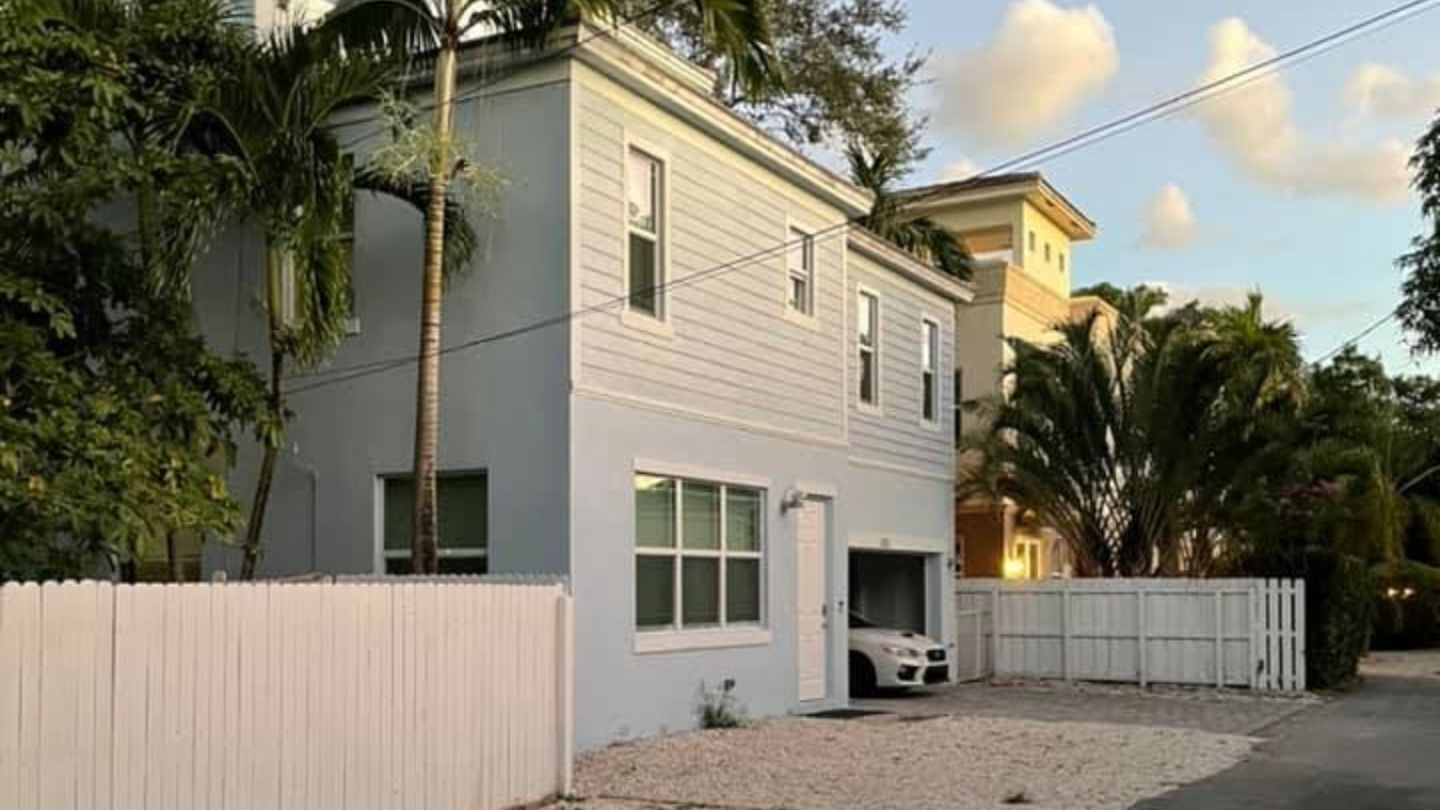
When selecting a sober living home, consider the following factors:
- House rules and expectations
- Location and proximity to work, school, or therapy
- Level of structure and support
- House culture and community
- Cost and available amenities
Visiting the home, speaking with current residents, and reviewing the program can help ensure a good fit.
Conclusion
Understanding how sober living homes work is essential for anyone seeking a strong foundation for long-term sobriety. These homes provide a supportive, structured environment where individuals can heal, grow, and rebuild their lives. From shared responsibilities and accountability to curfews and peer support, sober living is a proven step toward independent, substance-free living.
If you or a loved one is looking for a safe, structured place to continue the recovery journey, we invite you to explore our sober living house in Coral Springs. Contact us today to learn more and take the next step toward lasting recovery.