Halfway houses play a critical role in helping individuals transition from a correctional facility, drug rehab program, or inpatient treatment center back into society. But one of the most common questions asked is: Can you leave a halfway house whenever you want? The answer to this is more nuanced than a simple yes or no.
What Is a Halfway House?
A halfway house—also referred to as a residential reentry center, transitional housing, or sober living home—offers a structured and supportive environment for individuals in recovery or reentry. These facilities are designed to provide stable housing, promote sobriety, and encourage successful reintegration through recovery meetings, employment support, and addiction recovery services.
Some facilities operate as federal halfway houses for eligible prisoners under programs like the Second Chance Act or STEP Act, offering step-act credits that allow early home confinement under supervised conditions.
Halfway House Placement: Voluntary vs. Court-Mandated
Whether or not you can leave depends heavily on your halfway house placement type:
- Voluntary residents: Individuals who enter a sober living facility or sober living house after outpatient treatment or drug rehab may have the flexibility to leave, but not without consequences.
- Court-mandated or parole-based residents: If your placement is part of a parole agreement or part of a federal halfway house program, leaving without permission is considered a violation and may result in incarceration or a return to a correctional facility.
This distinction is important when asking, “Can you leave a halfway house whenever you want?” For those under legal obligation, the answer is almost always no.
What Happens If You Leave a Halfway House Early?
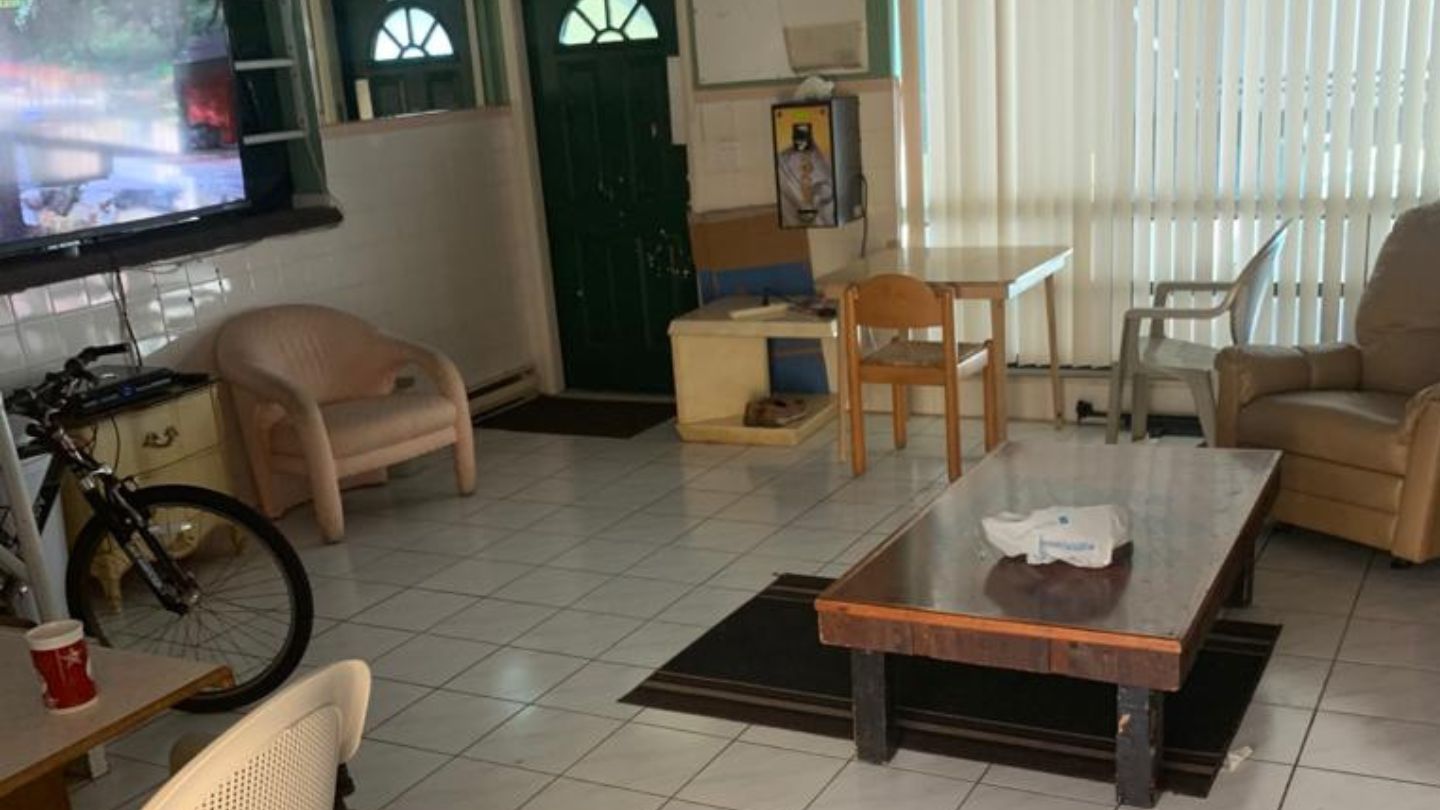
Leaving a halfway house prematurely—especially for those under home confinement or court supervision—can have serious repercussions. Here’s what can happen:
- Legal consequences: Violating halfway house rules can lead to penalties including a return to prison or loss of step act credits.
- Relapse risk: Without the structure of a sober living environment, recovering addicts may be at a higher risk of relapse.
- Loss of support: Residents depend on support from house meetings, staff members, and recovery communities like Alcoholics Anonymous.
Before making a decision, individuals should seek legal advice and consult their social worker or case manager.
Why People Want to Leave
Despite the benefits, some residents consider leaving early. Common reasons include:
- Strict house rules and curfews
- Conflict with other residents
- Struggles with sobriety or mental health
While the urge to leave may stem from frustration, it’s important to remember that halfway homes exist to provide a structured foundation for long-term success. Walking away from a sober living facility prematurely can jeopardize that foundation.
Alternatives to Walking Out
If you’re thinking about leaving a halfway house, consider these alternatives:
- Transferring to another facility: If the environment isn’t fit, explore options for other sober living homes.
- Seeking mediation: Conflicts with staff members or fellow residents can often be resolved.
- Requesting a modified program: Some facilities offer tiered responsibilities or alternate schedules.
Always remember—you’re not alone. Recovery is a journey, and there are resources and people available to help you every step of the way.
Recovery and reintegration are journeys, not races. Every step taken in a halfway house is a step toward lasting independence and wellness. Whether you’re just starting or considering your next move, it is important to your growth—mind, body, and spirit.
Home Confinement vs. Halfway House
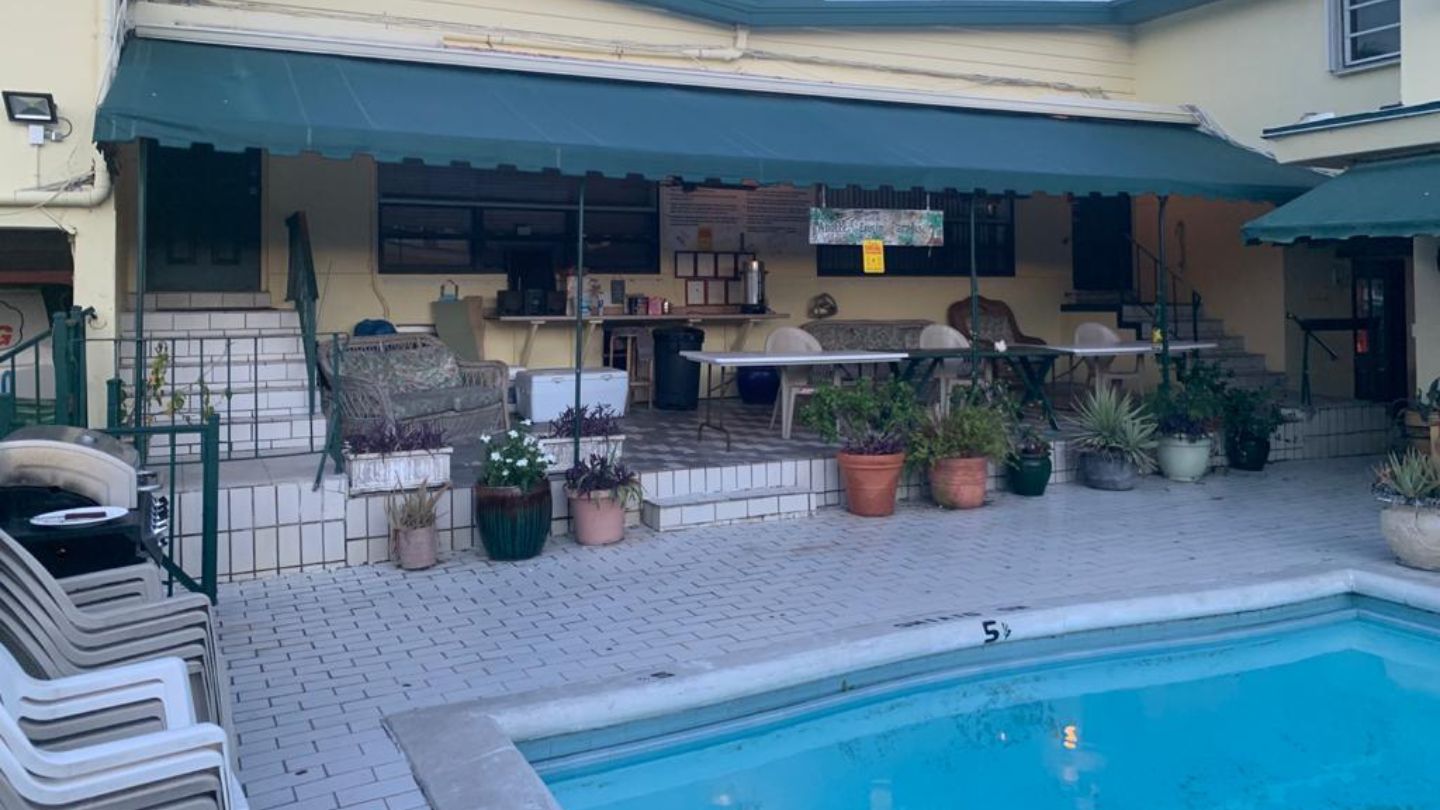
Some inmates nearing release may qualify for home confinement instead of halfway house living. While this offers more flexibility, it still involves strict monitoring and restrictions, especially under the Federal Bureau programs.
Understanding the differences between home confinement and transitional housing can help set realistic expectations.
Conclusion
So, can you leave a halfway house whenever you want? If you’re there voluntarily, possibly—but doing so could derail your addiction recovery. If your stay is court-ordered or tied to incarceration, unauthorized departure could send you back to prison.
Before making any decisions, consult with your case manager, follow the process, and prioritize your long-term well-being.
At our halfway house in Fort Lauderdale location, we specialize in helping individuals on their path to recovery. Whether you’re currently in a halfway house or considering one, we’re here to support your journey with expert guidance and a caring community.
Contact us to learn how our programs can help you or your loved one build a better future.