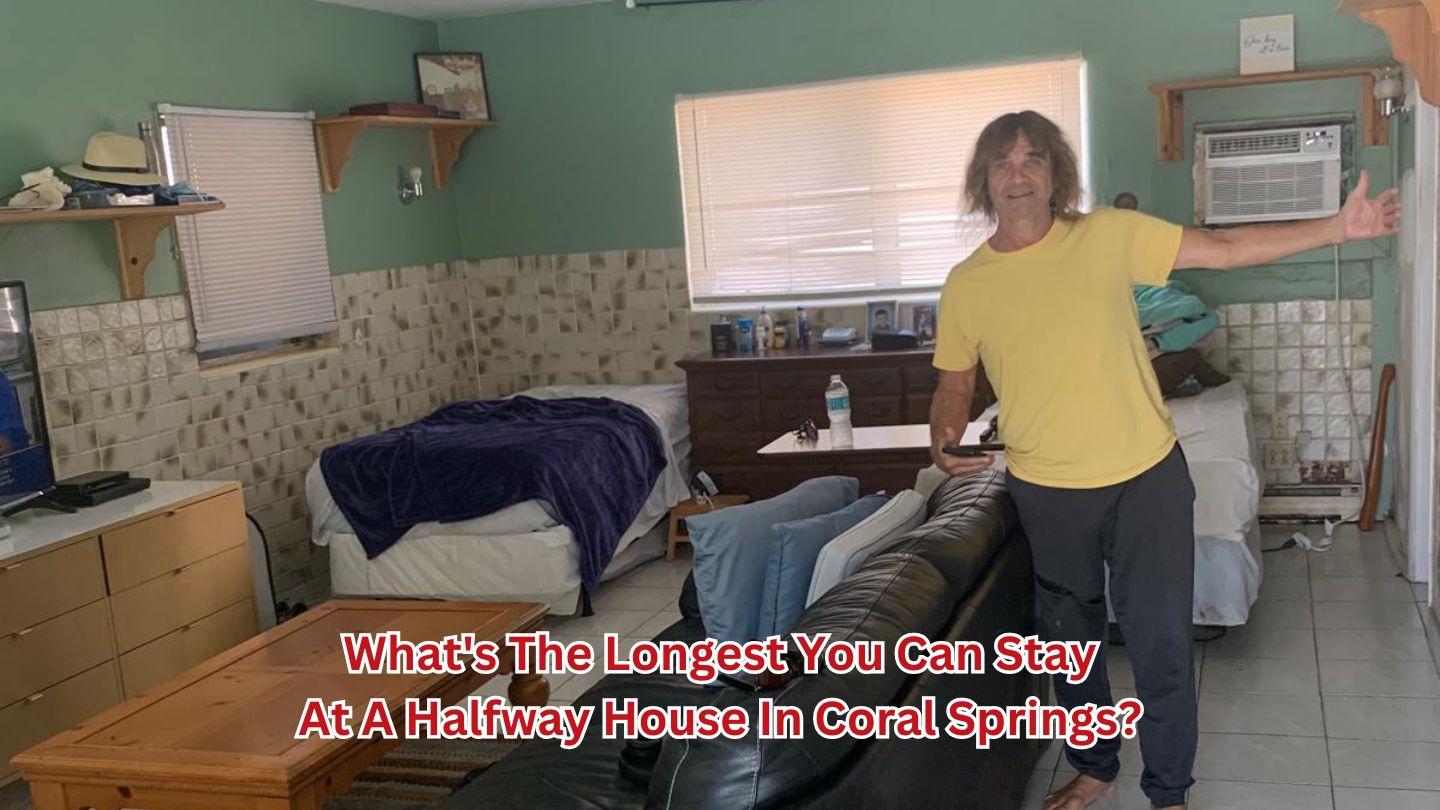
Halfway houses offer a safe and supportive environment for individuals in recovery to transition back into everyday life. These structured spaces help residents build accountability, routines, and independence while minimizing the chances of relapse. When considering a halfway house in Coral Springs, one common question often arises: how long can you stay in a halfway house in Coral Springs? Understanding the typical duration of stay, program expectations, and factors influencing this timeline can help you make informed decisions on your path to recovery.
Here, we’ll explore how long you can expect to stay in a halfway house, why the duration matters, and what might affect the overall length of your stay.
Standard Lengths of Stay in a Halfway House
The typical length of stay in a halfway house ranges between 3 to 12 months, depending on individual recovery needs and the rules of the program. For most individuals, three months is considered the minimum timeframe for starting to establish healthier habits and developing a routine geared toward stable, long-term sobriety. However, extended stays of six months to a year often provide the additional support and structure needed to solidify recovery.
The answer to how long you can stay at a halfway house in Coral Springs isn’t always straightforward. Most programs are designed with flexibility, recognizing that each person’s recovery timeline is unique. Many factors, including personal progress and adherence to program rules, determine how long someone remains in a halfway house.
Factors That Influence Your Length of Stay
Several factors can impact how long you can live in a halfway house in Coral Springs:
1. Personal Progress
Recovery is not a one-size-fits-all process. While some individuals may feel ready to transition to independent living after a few months, others may need more time to develop strong coping mechanisms and healthy habits. Completing program milestones, such as maintaining sobriety and securing employment, plays a key role in determining whether a longer stay is necessary.
2. Program Expectations
Every halfway house operates with unique requirements, which may include attending therapy sessions, participating in group meetings, or adhering to specific work or education goals. Sticking to these expectations can influence the length of your stay, while challenges in meeting them may extend the timeline to ensure long-term success.
3. Financial Stability
Many halfway houses require residents to contribute to the program costs through rent, typically earned through employment. If financial difficulties arise, the program may extend a resident’s stay to provide more time to achieve financial independence.
4. Support Outside the House
Individuals with limited support systems outside the halfway house may benefit from an extended stay to build strong connections and develop resources before leaving. Establishing this external foundation can reduce the likelihood of setbacks once the program is completed.
5. Facility-Specific Policies
Not all halfway houses adhere to the same timeframe structure. Some may focus on short-term stays to help individuals transition quicker, while others design their programs for longer, more gradual progress. Exploring various halfway house options in Coral Springs can help you find one that aligns with your recovery needs.
Why Staying Longer Can Be Beneficial

The amount of time you spend in a halfway house is not about meeting a stiff deadline but about ensuring you feel prepared to handle life’s challenges while maintaining sobriety. Here are some of the reasons why a longer stay can be impactful:
- Strengthen Your Recovery: Developing a solid foundation in recovery takes time. Spending more time in a halfway house allows you to solidify healthy routines and minimize your chances of relapse.
- Build Independence: Recovering individuals often require support as they transition into managing finances, securing stable employment, and rebuilding trust with personal relationships. Halfway houses help create a roadmap for independence, making longer stays especially valuable.
- Develop Lasting Connections: Halfway houses foster a supportive community of like-minded individuals, providing an environment of mutual understanding and accountability. Longer stays strengthen these bonds, offering a network that often continues beyond the program.
- Break Negative Patterns: Recovery is about establishing new habits and behaviors. A structured environment over a longer period gives individuals more time to shed destructive patterns and replace them with positive changes.
If you’re curious about daily life and common rules in halfway houses, such as access to phones or technology, residents often need to follow specific policies that vary by program. Understanding these rules ahead of time can lead to a smoother adjustment when transitioning into a halfway house environment.
Choosing the Right Halfway House in Coral Springs
With a variety of halfway houses in Coral Springs, it’s important to explore options and find a program that fits your individualized needs. To narrow down your choices, ask questions like:
- What is the average stay duration?
- Is an extended stay possible if needed?
- What expectations and responsibilities must residents meet?
- What recovery support services are offered?
- Does the program focus on individualized progress?
Taking the time to evaluate your options can help ensure that the halfway house you select will provide the environment necessary for your growth and recovery.
Transitioning After a Halfway House Stay

When your time at a halfway house comes to an end, the next phase of recovery focuses on fully independent living. The steps toward independence can feel challenging, but the lessons and habits you’ve built during your halfway house stay will prepare you for what lies ahead.
Many people continue engaging with their recovery communities even after leaving a halfway house. Alumni programs, group meetings, or ongoing check-ins with staff and fellow residents can serve as important touchpoints during your transition. It’s also a good idea to create a clear plan for post-program living, such as continuing therapy, joining local support groups, and staying consistent with work or education goals.
Flexibility for Residents Who Need More Time
For many halfway houses in Coral Springs, the primary focus is on providing the support residents need to be successful, rather than enforcing rigid time limits. If you feel you’re not quite ready to leave, communicate with your program staff about where you stand. Open and honest discussions about progress and goals can help facilitate an extended stay, if necessary.
Knowing what to expect during your time in a halfway house, from the communal rules to personal responsibilities, can make it easier to settle into this supportive environment. Having a clear understanding of how the program operates will also help you make the most of your stay.
Final Thoughts
The question of how long you can stay at a halfway house in Coral Springs depends on your chosen program, your unique recovery needs, and your progress throughout the process. While a three-month minimum stay might suffice for some, others may benefit from a longer timeline of six months or more. Recovery isn’t about rushing to the finish line; it’s about taking the time you need to build a solid foundation for a healthier, more stable future.
If you’re prepared to take the next step in your recovery, we can help. Learn more about the supportive and welcoming environment at our Halfway House in Coral Springs. Contact us today to begin your journey toward a lasting, independent recovery!